Scheduled Cleaning Routines for Long-Lasting Computer Performance
Table Of Contents
Optimising Storage Space
Effective management of storage space is essential for maintaining optimal computer performance. Utilising built-in tools, such as disk cleanup utilities, can help identify and remove duplicate files and temporary data. Regularly examining what's consuming storage allows users to make informed decisions about what to keep and what to delete. Cloud storage solutions also provide a convenient way to offload less frequently accessed files, freeing up local space for more immediate needs.
Another useful strategy involves organising files into clearly defined folders. This not only streamlines access but also helps users quickly locate essential documents amidst a sea of data. Maintaining an orderly file structure can prevent unnecessary clutter and ensures that important information remains accessible. Encouraging a habit of regular file audits reinforces good practices and can significantly improve long-term efficiency.
Organising Files and Deleting Unnecessary Data
A cluttered digital environment can lead to decreased efficiency and productivity. Regularly assessing and arranging files makes it easier to locate important documents quickly. Consider categorising files into folders based on specific themes or projects. This method not only enhances accessibility but also reduces the chance of digital clutter. Implementing a consistent naming convention for files can further streamline the organisation process.
Deleting unnecessary data is equally crucial for maintaining optimal performance. Regularly review files, emails, and applications to identify items no longer needed. This could include old documents, large media files, or outdated software that may take up valuable storage space. Using built-in tools or third-party applications can assist in identifying clutter and automating the deletion process. Keeping the digital workspace clear promotes a smoother user experience and ensures that the system operates efficiently.
Best Practices for Digital Safety
Ensuring the security of your digital environment is crucial while performing regular cleaning tasks. Regular software updates play a significant role in protecting your system from vulnerabilities. Keeping your antivirus software current helps detect and eliminate potential threats before they can cause harm. Utilising strong, unique passwords for your accounts adds an extra layer of security. Consider implementing two-factor authentication for sensitive accounts to further reduce the risk of unauthorised access.
It is also advisable to back up important files before undertaking significant changes or cleaning. This practice safeguards your data against accidental loss. Regularly reviewing your privacy settings on various platforms can help control what information you share and with whom. Educating yourself about common online scams contributes to safer browsing and online interactions. Taking the time to establish these safety measures pays off by creating a more secure computer environment.
Keeping Your System Secure During Cleaning
When undertaking a cleaning routine for your computer, ensuring security is paramount. Always back up vital data to an external drive or a secure cloud service before beginning any maintenance. This precaution offers protection against accidental file loss. Additionally, ensure that you have updated your antivirus software and run a full system scan. This step can help identify any potential threats that may have sneaked in prior to the cleaning process.
Disconnecting from the internet is another effective way to bolster security during system cleaning. By disabling your network connection, you limit the possibility of exposure to malicious software while performing updates or software installations. Once the cleaning is complete, reconnect to the internet and conduct another security scan to verify that your system remains protected. Taking these steps can significantly reduce the risk of compromising your computer's integrity during maintenance activities.
Managing Overheating Issues
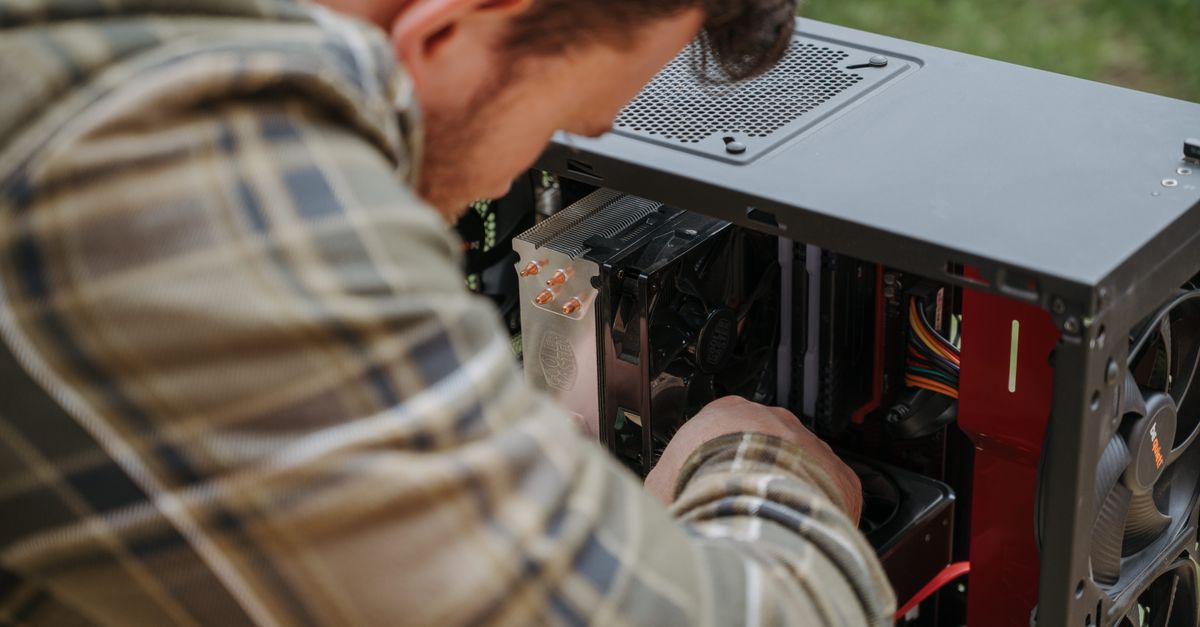
Overheating can severely impact a computer's performance and lifespan. Regularly cleaning the internal components helps prevent dust buildup on fans and heat sinks, which can hinder heat dissipation. Using compressed air to blow out dust from these areas is an effective method. Users should also consider performing this task in a well-ventilated area to minimise the risk of reintroducing particulate matter back into the system.
Ensuring adequate airflow is essential for maintaining an optimal operating temperature. Installing additional fans or opting for a case with better ventilation can enhance cooling efficiency. Arranging cables neatly inside the case could also improve air circulation. Furthermore, keeping the computer in a cooler environment and avoiding placing it on soft surfaces like beds or couches will support effective heat management.
Tips for Improving Airflow and Cooling
Maintaining proper airflow within a computer case is crucial for optimal performance. Regularly cleaning dust filters and ensuring that all vents are clear can significantly improve cooling efficiency. Consider the arrangement of internal components as well. Keeping cables organised and out of airflow paths prevents air blockage and allows for a smoother flow, which helps dissipate heat more effectively.
Utilising additional cooling systems can further enhance temperature management. Aftermarket fans or liquid cooling solutions are available to provide targeted cooling for high-performance components. Positioning these systems strategically within the case ensures that hot air is expelled quickly while cooler air is drawn in from outside. Monitoring system temperatures with software can help identify any potential overheating issues before they become serious problems.
FAQS
How often should I schedule cleaning routines for my computer?
It is recommended to perform cleaning routines at least once a month to ensure optimal performance, but this can vary based on your usage and environment.
What is the best way to organise files on my computer?
Creating a structured folder hierarchy based on categories such as work, personal, and projects can help. Regularly reviewing and deleting unnecessary files will also keep your storage organised.
How can I keep my computer secure during cleaning routines?
Always ensure you have up-to-date antivirus software running and consider disconnecting from the internet during the cleaning process to prevent any potential malware threats.
What are some tips for improving airflow and cooling in my computer?
Make sure your computer is in a well-ventilated area, regularly clean dust from fans and vents, and consider using additional cooling solutions like fans or cooling pads if overheating persists.
Can neglecting cleaning routines affect my computer's performance?
Yes, neglecting cleaning routines can lead to cluttered storage, potential security vulnerabilities, and overheating issues, all of which can negatively impact your computer's performance and longevity.
Related Links
Importance of Firmware Updates in Preventative Hardware MaintenanceThe Role of Power Surges in Hardware Deterioration
Protecting Your Hardware from Environment-Related Damage
Utilizing Temperature Monitoring Tools for Hardware Care
Establishing a Routine Check for Hardware Connections
Identifying Warning Signs of Potential Hardware Issues
How to Maintain Optimal Cooling in Your PC
The Importance of Regular Cable Management in Preventing Hardware Failure