The Role of SSDs in Data Recovery: What You Should Know
Table Of Contents
Hardware Tools for SSD Data Recovery
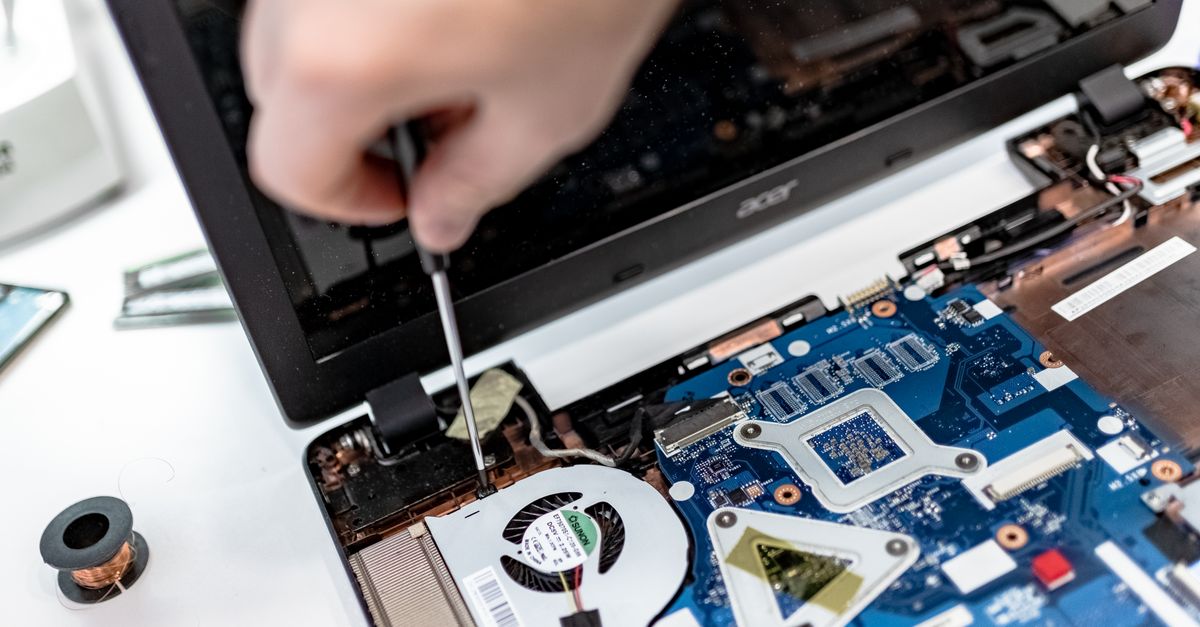
Data recovery from SSDs requires specific tools that can effectively interact with the unique architecture of these drives. Hardware-based solutions, such as specialised data recovery devices and forensic image readers, are designed to bypass the limitations imposed by standard protocols. These tools can access the memory chips directly, which is crucial when the SSD’s controller fails or experiences corruption. Depending on the extent of the damage, the use of cleanroom environments may be necessary to prevent further data loss during the recovery process.
In addition to dedicated recovery hardware, software tools play a significant role in the recovery process. These applications often feature advanced algorithms tailored to SSD technology, enabling them to recover lost or deleted data efficiently. They can provide insights into the health status of the drive, allowing users to assess the situation before proceeding with recovery attempts. It is essential to choose reliable software that has been tested for compatibility with SSDs, as improper use can complicate the recovery and exacerbate the situation.
When to Consider Professional Help
Certain situations call for the expertise of professionals when it comes to data recovery from SSDs. If you notice signs of failure such as unusual noises, persistent error messages, or if the device does not boot properly, it may indicate deeper issues that require specialised knowledge. Attempting to recover data through DIY methods could lead to further loss or permanent damage. Professional data recovery services often have access to advanced tools and techniques that go beyond conventional fixes.
In addition, the type of data stored on the SSD can significantly influence the decision to seek professional help. Critical business files, sensitive personal information, or irreplaceable memories warrant a careful approach. If the data is integral to operations or personal records, the potential risks of amateur attempts outweigh the costs of professional intervention. Engaging experts ensures that the recovery process is handled with the utmost care, increasing the chances of successful retrieval without jeopardising the stored information further.
Precautions for Preventing Data Loss
Taking proactive steps can significantly reduce the likelihood of data loss. Regularly backing up important files ensures that you have copies available in case of unforeseen issues. Utilising cloud storage solutions or external hard drives provides additional security. Keeping software and firmware up to date also enhances data integrity and protection against vulnerabilities.
Monitoring the health of your SSD can prevent sudden failures. Tools are available that allow users to check the drive's status and performance. Implementing power protection, such as surge protectors, guards against electrical mishaps. Avoiding the installation of unnecessary software can help maintain system performance and reliability.
Best Practices for SSD Maintenance
Regularly updating firmware is crucial for maintaining SSD performance. Manufacturers periodically release updates that can fix bugs, enhance performance, and improve data management. Keeping the firmware up to date ensures optimal functionality and may extend the lifespan of the drive.
Properly managing storage usage is another essential aspect of SSD maintenance. Avoid filling the drive to near capacity, as this can hinder write speeds and overall performance. Instead, aim to keep at least 10-20% of the drive free to allow for optimal data handling and recovery processes. This practice helps maintain not only speed but also the integrity of the data stored on the SSD.
The Impact of TRIM on Data Recovery
TRIM is a command used by solid-state drives (SSDs) to improve performance and longevity. When data is deleted on an SSD, it is not immediately removed; rather, the space is marked as available for future storage. TRIM allows the SSD to actively clear this data, making it impossible to recover once the command is executed. This proactive approach enhances write speeds and helps maintain the drive’s efficiency. However, it also poses a challenge for data recovery efforts, as the natural lifecycle of SSDs and the way they handle deleted information complicates retrieval.
The impact of TRIM on recovery success is significant. When users realise that data is missing or accidentally deleted, previous use of TRIM can hinder the recovery process. If the drive has undergone numerous write cycles post-deletion, the chances of successful recovery diminish further. Tools designed for traditional hard drives may not be effective due to the unique nature of SSD technology. Thus, understanding the role of TRIM in the context of SSDs is essential for anyone concerned with data loss and the potential for recovery.
Understanding How TRIM Affects Recovery Success
TRIM is a command used by solid-state drives (SSDs) to inform the operating system which blocks of data are no longer in use and can be wiped internally. This process plays a crucial role in maintaining the performance of SSDs by ensuring that free space is easily available for future writes. However, the effectiveness of TRIM can significantly impact data recovery efforts after deletion. When TRIM is enabled, it can lead to immediate and permanent data loss by clearing out the flagged blocks, making recovery increasingly complicated for users.
Once data has been marked for deletion through the TRIM command, the information may be irretrievable. Many software recovery tools struggle to recover data from SSDs with TRIM enabled, as the system has already taken steps to eliminate traces of deleted files. Users should be aware that while some recovery options may still be available, the chances of successful data retrieval diminish once TRIM has been executed. It becomes essential to take preventative measures to avoid data loss, in conjunction with understanding the implications of TRIM on their devices.
FAQS
What is an SSD, and how does it differ from a traditional hard drive?
An SSD, or Solid State Drive, uses flash memory to store data, allowing for faster read and write speeds compared to traditional hard drives, which use spinning disks and mechanical parts. This difference results in quicker boot times and improved overall system performance.
How can I recover data from a failed SSD?
Recovering data from a failed SSD can be complex. If you suspect SSD failure, consider using specialised data recovery software or seeking professional help, especially if the data is critical. Avoid attempting DIY recovery methods that could further damage the drive.
What precautions can I take to prevent data loss on my SSD?
To prevent data loss, regularly back up your data, maintain your SSD by keeping its firmware updated, avoid filling the drive to capacity, and ensure proper heat dissipation to prevent overheating.
How does TRIM affect the recovery of data from SSDs?
TRIM is a command that helps manage free space on SSDs, which can improve performance and longevity. However, it can also make data recovery more challenging because when files are deleted, TRIM signals the SSD to erase the data completely, reducing the chances of recovery.
When should I consider professional help for SSD data recovery?
If you've experienced data loss and the data is critical, or if the SSD is physically damaged, it's advisable to seek professional data recovery services. Trying to recover data on your own in these cases can lead to further data loss or damage to the drive.
Related Links
Cloud Backup Solutions for Enhanced Data SecurityEffective Strategies for Recovering Lost Data on Sunshine Coast
Step-by-Step Guide to Recovering Data from External Drives
Preventing Data Loss on Your Sunshine Coast Computer
Professional Data Recovery Services: When to Seek Help
Understanding File Systems for Better Data Recovery Outcomes
How to Rescue Corrupted Files on Your Computer
The Best Data Recovery Software for Sunshine Coast Residents
Tips for Recovering Deleted Files on Windows Systems