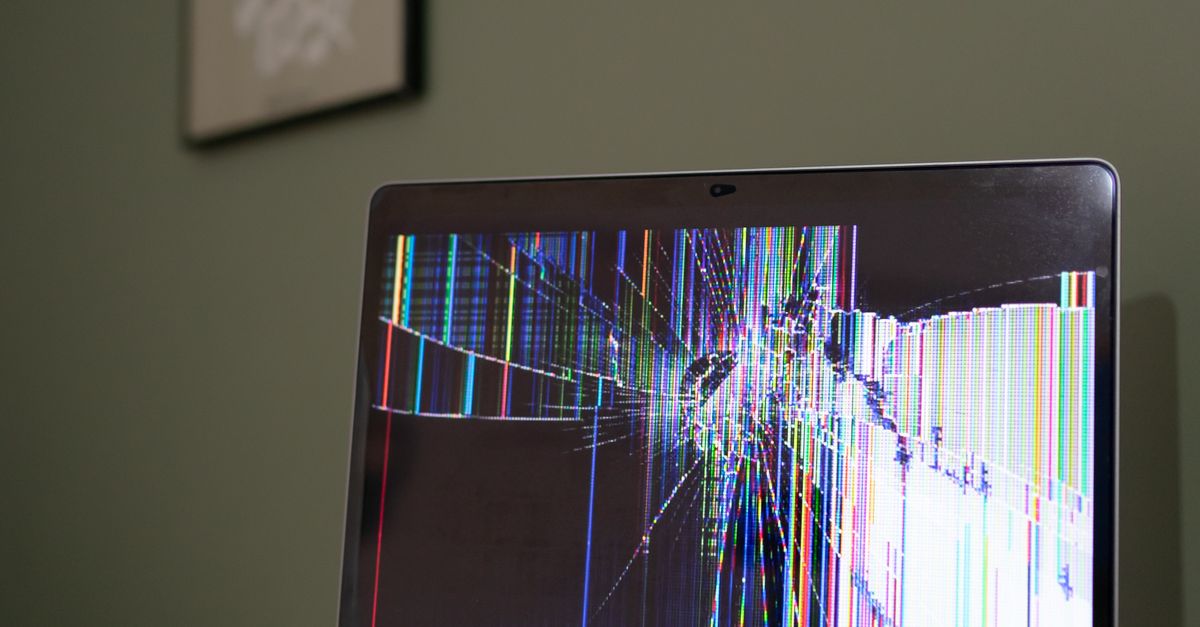
Understanding Common Laptop Power Issues on the Sunshine Coast
Table Of Contents
Overheating and Its Impact on Power
Excessive heat can significantly impair a laptop's ability to function properly. When a laptop operates at higher temperatures, it often triggers built-in safety mechanisms that can lead to throttling. This process reduces the performance of the CPU and GPU, causing the device to slow down and impacting overall efficiency. Long-term exposure to elevated temperatures can also result in permanent damage to internal components, shortening the laptop's lifespan.
The Sunshine Coast's warm climate can exacerbate these overheating issues. Humidity and higher ambient temperatures can contribute to a laptop's struggle to dissipate heat effectively. When laptops are used in poorly ventilated areas, airflow becomes restricted, and cooling systems are unable to operate optimally. Ensuring proper ventilation and being mindful of operating environments becomes essential for maintaining power and prolonging the device's functionality.
How Excess Heat Affects Laptop Functionality
Excess heat can lead to significant performance degradation in laptops. When temperatures rise, the internal components, such as the CPU and GPU, may throttle their performance to prevent damage. This action directly impacts processing speeds and graphics rendering, causing sluggishness during tasks that require intensive resources. Frequent overheating can also shorten the lifespan of critical components, leading to more frequent repairs or replacements.
Furthermore, overheating may cause unexpected shutdowns, which can result in data loss and disruption of work. Users may also experience issues with battery life, as high temperatures can adversely affect battery health and charging efficiency. Keeping laptops cool is essential for maintaining optimal functionality and preventing long-term damage from overheating.
The Role of Power Settings
Power settings play a crucial role in the overall performance and battery life of laptops. These configurations allow users to manage how their device consumes energy, influencing everything from screen brightness to processor speed. By adjusting these settings, users can extend battery life during critical moments or achieve better performance when plugged into mains power. Many laptops come with pre-set profiles, like 'Power Saver', 'Balanced', or 'High Performance', enabling users to choose a mode that best suits their needs.
Customising power options can lead to significant improvements for users on the Sunshine Coast, especially considering the area's unique environmental conditions. For instance, running a laptop in 'Power Saver' mode while on the move can help prevent overheating during the warm months. Additionally, optimising these settings can reduce wear on the battery, prolonging its lifespan and ensuring more reliable performance in the long run. Making these adjustments requires a simple configuration process, but the benefits can be substantial.
Optimising Laptop Power Configurations
Laptop power settings play a crucial role in maintaining optimal performance while also extending battery life. Adjusting configurations to suit personal usage patterns can prevent unnecessary battery drain. For instance, switching to power-saving modes when performing less demanding tasks can significantly reduce energy consumption. Additionally, reducing screen brightness and disabling background applications can further enhance efficiency, especially when the device is running on battery power.
It's essential to regularly review and refine these settings. Users should take advantage of advanced options available in the operating system. Customising sleep and hibernation settings can prove beneficial, allowing the laptop to conserve energy during periods of inactivity. These adjustments are straightforward but can positively impact overall laptop longevity and performance, particularly under the distinctive climate conditions experienced on the Sunshine Coast.
External Factors Affecting Laptop Power
Laptops can experience varying levels of power performance due to several external factors. Environmental conditions, such as humidity or temperature extremes, can significantly impact the laptop's ability to function efficiently. High humidity can lead to condensation within the device, potentially causing short circuits or other electrical issues. Conversely, extremely low temperatures can cause the battery to operate less effectively, ultimately reducing overall performance and longevity.
Additionally, the physical surface on which a laptop is placed greatly influences its power consumption. Soft surfaces like beds or couches can block ventilation ports, resulting in overheating. Proper airflow is crucial for maintaining optimal operating temperatures. Using a laptop on a hard, flat surface ensures that air circulation remains unobstructed, promoting smoother functioning and preventing unnecessary power drain.
Environmental Influences on Performance
The performance of laptops can be significantly impacted by the environment in which they operate. High humidity levels can lead to internal moisture accumulation, potentially disrupting electrical circuits and affecting overall functionality. Dust and debris may also accumulate over time, blocking vents and hindering airflow. Such blockages can exacerbate overheating, further destabilising power performance.
Temperature extremes pose another challenge, particularly on the Sunshine Coast, where warm conditions can be commonplace. Prolonged exposure to high temperatures can cause components to warp or malfunction, leading to unpredictable power issues. Conversely, extremely cold environments might lead to sluggish battery performance or even condensation forming within the device. Users should be aware of these factors and take measures to maintain an optimal working environment for their laptops.
FAQS
What are the common signs of laptop overheating?
Common signs of laptop overheating include the device becoming excessively hot to touch, frequent system crashes or shutdowns, and the fan running loudly or continuously.
How can power settings improve my laptop’s battery life?
Power settings can improve battery life by adjusting the screen brightness, setting the laptop to sleep mode during inactivity, and reducing background applications that consume power.
What external factors can impact my laptop's power performance?
External factors include temperature and humidity levels, as well as the quality of power supply and usage in direct sunlight, which can all affect how well your laptop performs.
How can I optimise my laptop’s power configurations?
You can optimise power configurations by accessing your device's power settings, selecting a power saver mode, closing unnecessary applications, and ensuring your laptop’s drivers are up to date.
Is it normal for laptops to get warm during use?
Yes, it is normal for laptops to get warm, especially during intensive tasks. However, if they become excessively hot, it may indicate a cooling issue that needs addressing.
Related Links
Identifying and Fixing Frequent Hardware Failures in Gaming PCsAddressing Faulty Hard Drive Symptoms in Personal Computers
Diagnosing Connectivity Problems with Network Printers
Solutions for Jammed Optical Drives in Older Computers
Repairing Faulty Motherboard Connections in Custom Builds
Common Issues with RAM and How to Resolve Them
Addressing Keyboard and Mouse Malfunctions Effectively
Resolving Slow Performance Due to Hardware Limitations
Troubleshooting Overheating Problems in Desktop Computers